Source Multiform Irregular Shungite Stone Beads for Jewelry
Explore 30 listings for multiform irregular shungite stone beads suitable for jewelry making, collection, and decoration. Compare specifications, materials, and supplier options to find the right fit for your sourcing needs; compare the available evidence and request quotations based on your requirements.
Key considerations
Products List


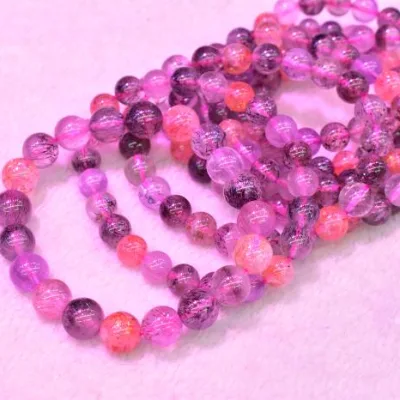
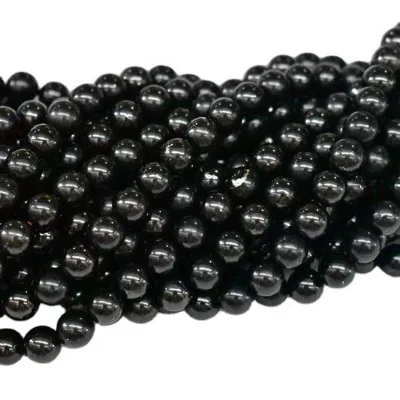
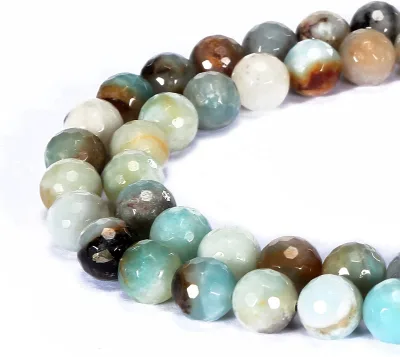

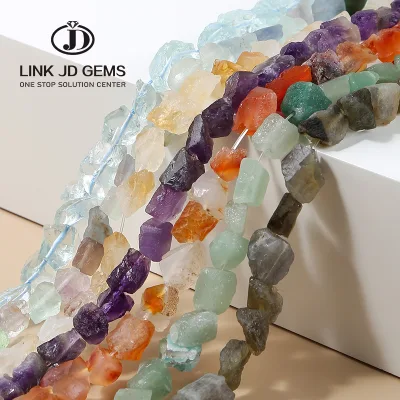
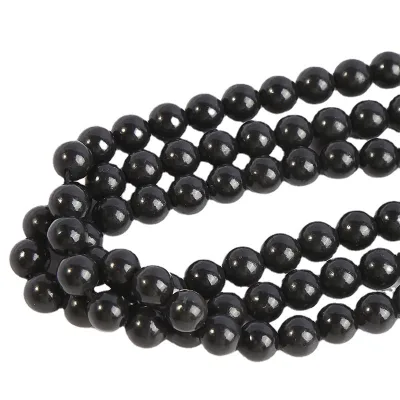


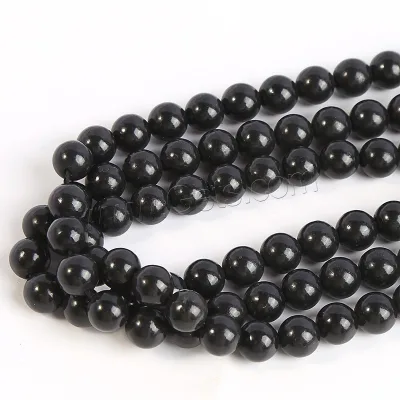
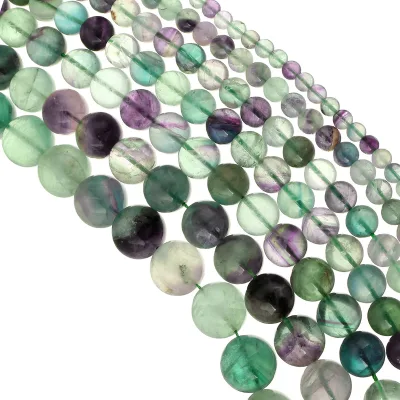
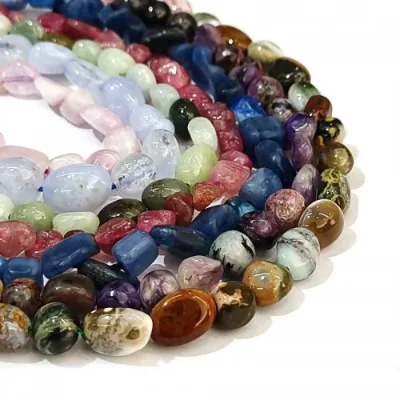


Comprehensive Sourcing Guide
Multiform Irregular Shungite Stone Beads Sourcing Guide
Sourcing multiform irregular shungite stone beads requires distinguishing genuine natural specimens from synthetic alternatives often listed under similar keywords. The provided product data indicates a market dominated by glass, agate, and synthetic gemstones rather than authentic shungite, necessitating rigorous material verification before purchase. Buyers must scrutinize the "Gemstone Material" and "Grade" fields to ensure the product matches the specific mineralogical properties of shungite, which is distinct from the glass or agate items frequently observed in current listings.
Procurement strategies should prioritize suppliers who explicitly define the raw material origin and processing methods to avoid mislabeled inventory. While some listings mention "Natural Cut" and "High Grade" attributes, these terms are often applied broadly across various stone types in the current catalog. A buyer must demand specific geological certification or detailed composition data to confirm the presence of carbon-rich shungite, as the observed inventory heavily features glass stones and synthetic materials that lack the unique conductive and absorptive properties of true shungite.
Product Scope and Observed Listing Signals
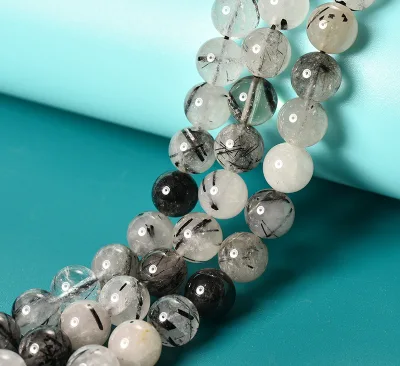
The current market landscape for bead procurement reveals a wide variance in material composition, with many listings offering glass stones, agate, or synthetic lab-created gems rather than the requested shungite. Observed attributes include "Green," "Black," and "Blue" colors, alongside "Round" and "Cylindrical" shapes, which may not align with the irregular, naturally fractured aesthetic typical of shungite. Buyers should treat these color and shape observations as general market signals rather than definitive characteristics of the specific shungite variety they intend to source.
Commercial signals such as "Customization: Available" and "MOQ: 1PCS" suggest a flexible market capable of handling small trial orders, yet the "Type: Beads" and "Usage: for Jewelry, Collection, Decoration" fields indicate a focus on decorative rather than industrial applications. The presence of "Stars Gem" as a brand name and "Wuzhou, China" as a primary origin highlights a specific supply chain hub known for gemstone processing. However, the discrepancy between the requested shungite and the observed "Glass Stone" or "Synthetic" materials requires buyers to filter listings carefully to find genuine natural stone options.
Technical Specifications to Verify
Verification of technical specifications must begin with the raw material composition, specifically confirming the carbon content and density which are critical for authentic shungite. While the provided data lists "Composition: 97% Sio2" and "Density: 2.65g/cm3" for agate, these values do not apply to shungite, which typically exhibits higher density and distinct carbon structures. Buyers must request specific test reports or material safety data sheets that confirm the mineralogical identity, ensuring the product is not merely a dyed glass or agate substitute.
Dimensional consistency and surface treatment are equally critical, as the "Multiform Irregular" designation implies a lack of uniform sizing that standard manufacturing processes might not accommodate. The observed "Size: 4mm" and "5mm" specifications represent standard round beads, which contrasts with the irregular nature of shungite. Procurement teams should verify the "Surface Treatment: Polished" claims against the desired finish, as natural shungite often retains a rougher texture unless specifically tumbled or polished, and the "Cutting: Natural Cut" attribute must be validated to ensure the irregular shapes are genuine rather than machine-cut imitations.
Compliance and Safety Documentation
Safety documentation is paramount when sourcing stone beads intended for jewelry or decorative use, particularly given the potential for heavy metal content in certain mineral varieties. Although the provided facts do not list specific certifications for shungite, buyers must ensure that any supplier can provide compliance data regarding lead, arsenic, or other hazardous substances that might leach from the stone. The "Quality: AAA" and "Quality: AA" labels observed in the market are internal grading systems and do not substitute for international safety standards required for consumer goods.
Regulatory compliance also extends to the origin and processing methods, requiring verification that the stones are sourced and treated in accordance with environmental and labor regulations. The "Location: Wuzhou, China" and "Hunan, China" origins suggest specific regional supply chains that may have varying levels of regulatory oversight. Buyers should request proof of origin and processing compliance, ensuring that the "Raw Material: Brazil" or other stated origins are accurate and that the "Processing Type: Rolling Type" does not involve prohibited chemical treatments that could compromise product safety.
Cost Drivers and Commercial Terms
Cost drivers in the shungite bead market are heavily influenced by the authenticity of the raw material and the labor intensity required to produce irregular shapes. The observed "MOQ: 1PCS" to "1000" range indicates that pricing structures vary significantly based on order volume, with smaller orders often commanding a premium due to the manual sorting required for irregular stones. Buyers must understand that "High Grade" natural shungite will inherently cost more than synthetic or glass alternatives, and the "Price: 0.02-85" range reflects this disparity between mass-produced imitations and genuine mineral specimens.
Commercial terms such as "Packing: Paper Box" or "According Customer Request" can impact the final landed cost, especially for irregular stones that require specialized packaging to prevent breakage during transit. The "Sample: Available" attribute offers a low-risk method to validate quality before committing to larger orders, but buyers should be aware that sample costs may not reflect bulk pricing. Negotiating clear terms regarding lead times and return policies for non-compliant materials is essential, as the "Customization: Available" feature may introduce additional costs if specific irregular shapes or sizes are required.
Supplier Qualification and Quality Control
Supplier qualification should focus on the ability to consistently deliver genuine shungite rather than the broader range of gemstones often listed by general suppliers. The presence of "Stars Gem" and other brands in the data suggests a competitive market where many vendors sell mixed inventories. Buyers must verify that the supplier has specific expertise in shungite, including the ability to distinguish it from visually similar stones like agate or glass, and should request references or past performance data related to natural stone procurement.
Quality control protocols must be established to ensure that the "Multiform Irregular" nature of the beads meets the buyer's aesthetic and functional requirements. The observed "Shape: Round and Cylindrical" attributes indicate that many suppliers default to uniform shapes, so buyers must explicitly define the irregularity tolerance in their specifications. Implementing a rigorous inspection process that checks for material authenticity, surface defects, and consistent grading is necessary to prevent the receipt of substandard or mislabeled products that fail to meet the "AAA" or "AA" quality expectations.
Long-Term Procurement Checks
Long-term procurement success depends on establishing a stable supply chain capable of meeting consistent demand for authentic shungite beads. The current market's reliance on synthetic and glass alternatives poses a risk of supply chain instability if the buyer's requirements shift toward genuine natural stone. Buyers should develop relationships with suppliers who demonstrate a commitment to sourcing raw materials from verified locations, ensuring that the "Raw Material" origin remains consistent over time and that the "Grade" does not fluctuate unexpectedly.
Continuous monitoring of market trends and supplier performance is essential to adapt to changes in material availability and pricing. The "Usage: for Jewelry, Collection, Decoration" fields suggest that demand may shift based on fashion trends, requiring suppliers to be agile in their production capabilities. Buyers should regularly audit their suppliers for compliance with safety standards and material authenticity, ensuring that the "Standard: AAAA" or other quality claims remain valid and that the "Product Model" numbers correspond to the correct, verified shungite inventory.
FAQs
What is the typical MOQ for multiform irregular shungite stone beads?
The typical MOQ is 1 piece, allowing buyers to order small quantities for testing or sampling purposes. This low entry point supports initial evaluation without requiring large bulk commitments, making it accessible for diverse procurement needs and small-scale projects.
Can multiform irregular shungite stone beads be customized for specific projects?
Yes, customization is available for these beads, enabling buyers to tailor specifications to their unique requirements. This flexibility allows for adjustments in size, shape, or packaging to meet specific design or functional needs for jewelry or decorative applications.
Which quality grades are available for multiform irregular shungite stone beads?
High-grade options are available, including AAA and AA classifications depending on the material type. Buyers can select from natural or synthetic variants, ensuring the chosen grade aligns with their quality standards and intended use for jewelry or collection purposes.
How are multiform irregular shungite stone beads packaged for shipment?
Packaging is typically provided according to customer requests, ensuring safe and secure delivery. Options may include paper boxes or other protective materials, allowing buyers to specify preferences that meet their logistical requirements and protect the beads during transit.
What are the common sizes for multiform irregular shungite stone beads?
Common sizes include 4mm and 5mm round beads, with other dimensions available for specific needs. These sizes cater to various jewelry designs, offering versatility for crafting necklaces, bracelets, or other decorative items while maintaining consistent quality and appearance.
Where are multiform irregular shungite stone beads typically sourced from?
These beads are typically sourced from regions like Wuzhou and Hunan in China, known for gemstone production. This origin ensures access to established supply chains and quality control measures, providing buyers with reliable and consistent product availability for their projects.